Intel / Information Warfare
OSINT intel briefs, structured summaries, and trend signals. Topic: Information-Warfare. Updated briefs and structured summaries from curated sources.
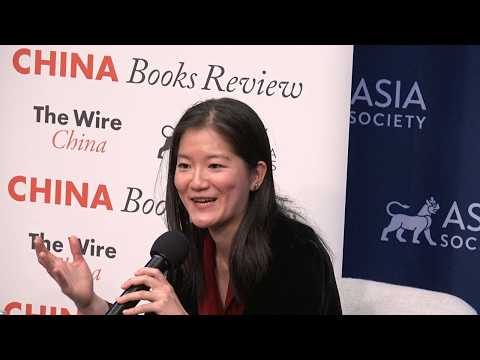
Yi-Ling Liu: China’s Internet Censorship
Full timeline
0.0–300.0
Yi-Ling Liu's book 'The Wall Dancers' explores the creative navigation of internet censorship in China. The concept of 'war dancers' illustrates the dynamic relationship between state control and individual expression online.
- Yi-Ling Liu discusses her book The Wall Dancers focusing on internet censorship in China
- The term war dancer describes the experience of navigating censorship creatively and artfully
- Chinese internet users have developed coded languages to communicate under strict surveillance
- The MeToo movement in China is referred to as the rice bunny movement, showcasing resistance to censorship
- The white paper protest exemplifies a method of circumventing censorship by using blank pages
- Liu highlights the parallels between American internet users and their need to adapt to censorship
- The phrase dancing in shackles captures the dynamic relationship between the state and society in China
- Liu emphasizes the vibrancy of innovation within the constraints of the Great Firewall
- The metaphor of dance reflects the creative and dynamic nature of resistance against censorship
300.0–600.0
Yi-Ling Liu's book 'The Wall Dancers' examines the complexities of internet censorship in China through the experiences of five main characters. These individuals navigate the challenges of creative expression while operating within the constraints imposed by the state.
- Yi-Ling Liu discusses her book The Wall Dancers, focusing on Chinas internet censorship
- The term wall dancers refers to individuals navigating the complexities of the Chinese internet
- Hu Xijin, a pro-state journalist, had his account suspended in 2024, illustrating the unpredictable nature of censorship
- Mabali, a former police officer, founded Chinas largest gay dating app, Blue, and represents the queer community
- Lu Ping, a feminist activist, left her journalism career to build a native feminist movement in China
- Cafe Hu, an underground rapper, balances provocation with mainstream acceptance in his music
- Chinching O Fan transitioned from a Google tech worker to a science fiction writer, exploring creative expression
- Eric Leo embodies sensitivity and represents the challenges posed by censorship in his work
- Liu was drawn to marginalized voices, believing they foster the most creative and imaginative expressions
- The characters share personal stakes with Liu, reflecting on their roles within creative constraints in China
600.0–900.0
Yi-Ling Liu's book 'The Wall Dancers' examines the evolution of internet censorship in China and its effects on civic space. The narrative highlights the experiences of individuals, particularly within the LGBTQ community, navigating these constraints while emphasizing the importance of detailed storytelling.
- Yi-Ling Lius book, The Wall Dancers, explores the evolution of Chinas internet censorship and its impact on civic space
- The author reflects on her personal experiences with a freer Chinese internet, highlighting moments of political awakening
- Liu emphasizes the importance of detailed storytelling in restoring the atmosphere of the past Chinese internet
- The character Mabali, a CEO of the Gateding app, represents the LGBTQ communitys struggles and triumphs in China
- Lius reporting process involved extensive research and interviews with various stakeholders in the LGBTQ community
- Despite initial rejection from Mabali for an interview, Liu pursued the story through alternative sources, enriching her narrative
- The final profile of Mabali evolved into a broader portrait of an online queer ecosystem rather than a simple business story
- Lius approach to journalism focuses on understanding subjects deeply rather than merely uncovering hidden information
900.0–1200.0
Yi-Ling Liu's book 'The Wall Dancers' examines the cyclical nature of internet censorship in China through personal narratives. The text highlights the emotional impact of shared stories and the shifting relationship between the state and technology entrepreneurs.
- Yi-Ling Liu discusses her book The Wall Dancers which explores personal stories of individuals affected by Chinas internet censorship
- The concept of fun and show describes the cyclical nature of Chinas societal openness and tightening, historically observed since the Cultural Revolution
- Liu highlights a specific moment where a character, Mabali, experiences a cathartic realization of not being alone through an anonymous online story
- The Chinese governments relationship with technology entrepreneurs has shifted from encouragement to repression, particularly noted during the tech crackdowns of 2021
- The term true high reflects a new consensus in China that its tech can compete globally, exemplified by successful platforms like TikTok
- Liu emphasizes the emotional impact of personal narratives shared online, aiming to bring humanity to the stories of those affected by censorship
- The recent introduction of a registry system for AI services in China indicates a tightening of control over emerging technologies
1200.0–1500.0
Yi-Ling Liu discusses the evolution of Chinese tech companies, highlighting their global ambitions despite increasing domestic censorship. The narrative emphasizes TikTok as a key example of this shift, illustrating the complexities of ownership and political influence.
- Yi-Ling Liu discusses the concept of true high, which refers to Chinese tech companies going global
- The narrative around Chinese tech has shifted from being seen as copycat innovation to genuine innovation on home turf
- TikTok is highlighted as a prime example of a successful Chinese tech product that has gained global popularity
- The Chinese internet is becoming more controlled and censored, yet Chinese tech companies are expanding beyond their borders
- The ownership of TikTok has changed, raising questions about political influence due to its ties with American investors
- The rise of platforms like Xiao Hongshu and BID illustrates the growing impact of Chinese tech in global markets
- Liu notes that many non-Chinese users are now engaging with Chinese internet platforms, indicating a shift in global tech dynamics
- The conversation touches on the irony of TikToks global ambitions amid increasing internet restrictions
1500.0–1800.0
Yi-Ling Liu discusses the concept of 'China Maxing' and its implications on American perceptions of China, highlighting a shift in cultural aesthetics and memes. The narrative emphasizes that American fascination with Chinese technology often reflects their own frustrations rather than an accurate portrayal of China.
- Yi-Ling Liu discusses the concept of China Maxing and its implications on American perceptions of China
- The narrative of internet freedom is challenged as Liu reflects on her experiences moving from China to the US
- Liu notes a shift in cultural aesthetics and memes from China appearing on American social media
- The phenomenon of China Maxing is linked to a broader vibe shift in American attitudes towards Chinese technology
- Liu highlights the impact of DeepSeeks AI model R1 and the migration of TikTok users to platforms like Red Note
- There is a growing recognition among Americans of Chinas technological advancements, particularly in infrastructure
- Liu argues that the fascination with Chinese high-speed rail reflects American frustrations with domestic infrastructure issues
- The discussion emphasizes that the narrative around China often reveals more about American fears and desires than about China itself
1800.0–2100.0
Yi-Ling Liu's discussion highlights the evolving perceptions of China and the US, particularly among the younger generation. The conversation also addresses the challenges faced by the Chinese diaspora in navigating their identities amidst contrasting cultural narratives.
- Yi-Ling Liu discusses her book The Wall Dancers focusing on Chinas internet censorship
- The conversation highlights the contrasting perceptions of China and the US among their respective citizens
- Liu notes the term jianxian which describes the fragility of the American middle class
- She reflects on how the US was once seen as a beacon of hope for Chinese aspirations
- The younger generation in the US is beginning to view China as a model for innovation and production
- Liu emphasizes the challenges faced by the Chinese diaspora in navigating their identity and belonging
- The diaspora often feels caught between two worlds, facing uncertainty about their home
- Liu encourages rejecting imposed narratives about the diasporas identity and experiences
2100.0–2400.0
Yi-Ling Liu discusses the importance of resisting divisive narratives in US-China relations and advocates for building connections among diverse communities. She highlights the empowering role of women on the Chinese internet and the challenges faced by American users due to censorship on platforms like TikTok.
- Yi-Ling Liu emphasizes the importance of resisting narratives that demonize or glorify nations, particularly in the context of US-China relations
- She advocates for building bridges and fostering connections among individuals from different backgrounds to create a sense of community
- Liu encourages the creation of platforms like newsletters and podcasts to amplify diverse voices and challenge monolithic narratives about China
- The discussion highlights the significance of physical spaces for fostering trust and belonging among diasporic communities
- Liu reflects on the empowering nature of women finding their voices on the Chinese internet, particularly in relation to the Me Too movement
- She notes a concerning trend where American internet users feel a loss of dignity due to censorship and algorithmic suppression on platforms like TikTok
2400.0–2700.0
Yi-Ling Liu's book, 'The Wall Dancers,' examines the increasing similarities between US and Chinese internet censorship, highlighting a decline in the perception of the internet as a space of freedom. She emphasizes the importance of individual agency in navigating relationships with state and media companies amidst a polarized online landscape.
- Yi-Ling Lius book, The Wall Dancers, explores the parallels between the US and Chinese internet censorship
- Liu highlights the shift in perception of the internet from a space of freedom to one resembling the controlled Chinese model
- She discusses the amplification of both liberal and nationalist voices on social media platforms
- The erosion of common understanding and public discourse is a significant concern in both the US and China
- Liu compares the decline of Weibos reputation as a free speech platform to the current state of Twitter
- She emphasizes the importance of individual agency in navigating relationships with state and media companies
- Questions of personal privacy and community solidarity are crucial in todays polarized online landscape
- Liu advocates for carving out personal spaces of freedom within powerful technological systems
2700.0–3000.0
Yi-Ling Liu's book 'The Wall Dancers' explores the complexities of internet censorship in China and the US, emphasizing personal narratives and cultural identity. The discussion highlights the experiences of users navigating social media restrictions and the desire for greater cultural exchange between younger generations in both countries.
- Yi-Ling Liu discusses her book The Wall Dancers, which explores Chinas internet censorship
- The narrative includes personal reflections, emphasizing the authors connection to both China and the US
- Liu highlights the importance of her identity as a queer individual in shaping her perspective on the subjects covered
- The book features a significant scene where Ma Baoli, a gay dating app creator, interacts with a Chinese premier, illustrating cultural reclamation of the term comrade
- Liu acknowledges the challenges of maintaining objectivity while being personally invested in the narrative
- The discussion touches on the experiences of users from China and the US, particularly in the context of social media restrictions
- The term TikTok refugees is used to describe users who migrate to alternative platforms after bans
- Liu expresses a desire for more cultural exchange opportunities between younger generations in China and the US
3000.0–3300.0
Yi-Ling Liu discusses the evolving perspectives of young Chinese, particularly Gen Z, regarding their interest in the outside world amidst China's internet censorship. She highlights a narrative of increased patriotism among this generation following the Beijing Olympics, while also expressing optimism about their potential for cross-border connections.
- Yi-Ling Liu discusses her book The Wall Dancers: Searching for ... in the context of Chinas internet censorship
- The conversation touches on the experiences of young Chinese, particularly Gen Z, regarding their interest in the outside world
- Liu notes a narrative of increased patriotism among the younger generation in China post-Beijing Olympics
- She reflects on the challenges of being a fiction writer versus a journalist, emphasizing the importance of real human interaction
- Liu shares her early experiences in journalism, including an internship at a state media publication in Beijing
- The discussion highlights the role of technology, such as VPNs, in accessing information beyond Chinas censorship
- Liu expresses optimism about the younger generations ability to connect with experiences outside their own
3300.0–3600.0
Yi-Ling Liu discusses the constraints of writing about sensitive topics in state-run publications in China, highlighting the personal impact of censorship on her journalistic expression. She contrasts the awareness of Chinese internet users regarding censorship with the perceived freedom of American internet users, emphasizing the complexities of defining freedom in the digital age.
- Yi-Ling Liu discusses the constraints of writing about sensitive topics in state-run publications in China
- She reflects on the personal impact of censorship on her ability to express herself as a journalist
- Liu defines freedom as the ability for individuals to self-actualize and determine their own definitions of freedom
- She contrasts the awareness of Chinese internet users regarding censorship with the perceived freedom of American internet users
- Liu highlights the concept of attachment hacking by AI bots that manipulate user engagement on the internet
- She addresses the growing conflict between freedom of speech and the regulation of disinformation, particularly post-pandemic
- Liu notes the use of government rhetoric in China and the West to justify restrictions on free speech under the guise of combating misinformation
3600.0–3900.0
Yi-Ling Liu addresses the challenges of internet censorship and disinformation, highlighting the phenomenon of 'flooding' where trolls disseminate false information to suppress opposing voices. She expresses concern over self-censorship in both the US and China, emphasizing its detrimental effects on personal well-being and expression.
- Yi-Ling Liu discusses the challenges of internet censorship and disinformation in her book The Wall Dancers
- She highlights the phenomenon of flooding where trolls disseminate disinformation to drown out opposing voices
- Liu expresses concern over the current administrations approach to regulating disinformation online
- She notes a troubling trend of self-censorship among individuals in both the US and China due to fear of backlash
- Liu emphasizes the corrosive nature of fear on personal well-being and expression
- She advocates for writing as a form of self-expression, suggesting it is acceptable to write for a small, trusted audience
- The conversation touches on the increasing distrust in journalism and its impact on reporters
3900.0–4200.0
Yi-Ling Liu discusses the bravery required for public expression in a hostile social media environment. She emphasizes the power of writing and encourages individuals to define their own boundaries.
- Yi-Ling Liu is a technology journalist discussing her book The Wall Dancers: Searching for
- The event took place in New York on February 5, 2026
- Liu emphasizes the bravery required to express thoughts in a hostile social media environment
- She encourages individuals to decide their own boundaries for public expression
- The audience is invited to applaud Eileen for her contributions to literature
- Liu compares her book favorably to TikTok, claiming it is more entertaining and profound
- The discussion highlights the power of writing and its potential impact